
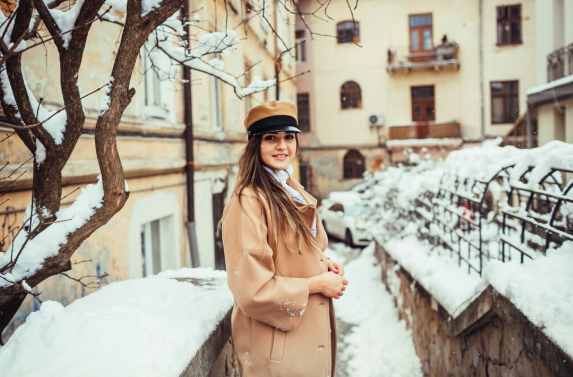
Women of winter can embrace the colder season without giving up style, comfort, or individuality. Winter fashion offers countless ways to create attractive outfits while staying warm, from cozy sweaters and tailored coats to boots, scarves, fleece layers, and elegant winter dresses.
Modern winter wardrobes are increasingly versatile. Women can combine practical outerwear with casual basics, workwear, ethnic clothing, or dressy pieces to create outfits suitable for different temperatures and occasions. Current women’s winter collections include lightweight jackets, tailored coats, puffers, fleece layers, denim jackets, and other styles in a wide range of colors and silhouettes.
The key to successful winter dressing is not simply wearing the thickest clothing available. Instead, it is about layering, choosing appropriate fabrics, balancing proportions, and selecting pieces that suit the weather and activity.
What Does Women of Winter Mean?
The phrase women of winter can refer broadly to women who want to explore fashion, clothing, lifestyle, and outfit ideas for the colder months.
It can describe a winter wardrobe built around warmth and personal style. Depending on the climate, winter clothing may include:
- Sweaters
- Cardigans
- Coats
- Jackets
- Puffer jackets
- Fleece layers
- Turtlenecks
- Long-sleeve tops
- Winter dresses
- Boots
- Scarves
- Gloves
- Hats
- Thermal layers
The right combination depends on temperature, wind, rain, snow, indoor heating, and the activity involved.
Why Winter Layering Matters
Layering is one of the most useful techniques for winter dressing.
Instead of relying on one extremely heavy garment, several lighter layers can provide flexibility.
A typical layered outfit might include:
- A base layer
- A sweater or shirt
- A jacket or coat
- Accessories such as a scarf or gloves
Layering also makes it easier to adapt when moving between outdoor and indoor environments.
For example, a woman commuting to work may need a warm coat outside but a lighter outfit once she enters a heated office.
Essential Winter Clothing for Women
A practical winter wardrobe does not need to contain dozens of items. A carefully selected collection of versatile pieces can create many different outfits.
1. Warm Sweaters
Sweaters are among the most useful winter wardrobe pieces.
Popular choices include:
- Crew-neck sweaters
- Turtlenecks
- V-neck sweaters
- Cable-knit sweaters
- Oversized sweaters
- Cardigans
- Cropped sweaters
- Cashmere or wool-blend sweaters
Neutral colors such as black, cream, gray, beige, brown, and navy can be particularly easy to combine with other clothing.
2. Winter Jackets
A jacket can provide warmth without the bulk of a very heavy coat.
Women’s winter jacket collections currently include lightweight jackets, tailored styles, puffer designs, windbreakers, varsity jackets, denim jackets, and other silhouettes.
Choose a jacket based on your climate and intended use.
A lightweight jacket may be suitable for cool autumn days, while insulated or padded outerwear is more appropriate for colder conditions.
3. Long Coats
Long coats can provide substantial coverage while creating a polished appearance.
Common styles include:
- Wool coats
- Trench coats
- Wrap coats
- Belted coats
- Tailored coats
- Double-breasted coats
- Puffer coats
A neutral long coat can be worn over casual clothing as well as workwear.
4. Fleece Layers
Fleece is useful when warmth and comfort are priorities.
A fleece jacket or pullover can work as a middle layer under a heavier coat or as an outer layer during milder winter weather.
5. Winter Dresses
Winter does not mean dresses need to disappear from your wardrobe.
Long-sleeve knitted dresses, sweater dresses, velvet dresses, and heavier midi styles can be paired with:
- Tights
- Boots
- Coats
- Scarves
- Belts
- Cardigans
This creates an outfit that can work for casual occasions, office settings, dinners, or seasonal events.
Winter Outfit Ideas for Women
Casual Winter Outfit
For an everyday casual outfit, combine:
- A warm sweater
- Straight-leg jeans
- An insulated jacket
- Ankle boots
- A scarf
This combination is practical and easy to adapt.
Office Winter Outfit
For work, try:
- A turtleneck
- Tailored trousers
- Long coat
- Ankle boots
- Structured handbag
The result can look polished while still providing useful warmth.
Weekend Winter Outfit
A relaxed weekend outfit could include:
- Oversized sweater
- Leggings or relaxed trousers
- Sneakers or boots
- Puffer jacket
- Beanie
This works well for errands, casual outings, or travel.
Winter Date Outfit
For a more polished appearance, consider:
- A fitted sweater or winter dress
- Long coat
- Knee-high boots
- Simple jewelry
- Small handbag
Neutral colors can create an elegant look, while a brighter accessory can add contrast.
Winter Fashion for Different Climates
Not every woman experiences the same type of winter.
A person living in a mild climate may only need lightweight layers, while someone living in a snowy region may require insulated coats, thermal clothing, gloves, and waterproof footwear.
Mild Winter
Mild winter wardrobes can focus on:
- Cardigans
- Lightweight sweaters
- Denim jackets
- Blazers
- Light coats
- Ankle boots
Cold Winter
Colder weather may require:
- Wool sweaters
- Insulated coats
- Thermal base layers
- Warm socks
- Gloves
- Scarves
- Winter boots
Snowy Winter
In snowy conditions, clothing should prioritize warmth and protection.
Useful pieces include:
- Insulated jackets
- Waterproof outerwear
- Thermal layers
- Snow boots
- Wool socks
- Gloves
- Hats
- Neck warmers
The best clothing depends on the actual weather conditions rather than fashion alone.
Choosing the Right Winter Fabrics
Fabric choice can make a major difference in comfort.
Wool
Wool is commonly used in winter clothing because it can provide warmth while remaining breathable.
It is frequently used for sweaters, coats, scarves, and socks.
Cashmere
Cashmere is soft and lightweight and can be used for premium sweaters, scarves, and other winter accessories.
Fleece
Fleece is lightweight and comfortable and is often used for jackets, pullovers, and layering pieces.
Cotton
Cotton can be comfortable but is not always ideal as the only layer in very cold or wet conditions.
Velvet
Velvet can provide a rich appearance for winter dresses, ethnic clothing, partywear, and evening outfits.
Some Indian winter collections, for example, use velvet and woolen fabrics for seasonal ethnic clothing.
Winter Fashion for Indian Women
Winter fashion in India can vary significantly by region.
Women in colder northern areas may need heavier jackets, woolens, coats, and layered outfits, while women in milder parts of the country may prefer lighter sweaters, shawls, and jackets.
Ethnic winter fashion can include:
- Woolen kurtas
- Velvet kurta sets
- Shawls
- Embroidered jackets
- Full-sleeve ethnic dresses
- Layered salwar suits
- Velvet blazers
- Warm dupattas
Current Indian winter collections include combinations of traditional silhouettes and contemporary outerwear, including velvet kurta sets, jackets, fleece pieces, and coats.
Winter Accessories for Women
Accessories are not only decorative. Many can also provide additional warmth.
Scarves
A scarf can add color and texture while protecting the neck from cold air.
Try:
- Wool scarves
- Knitted scarves
- Cashmere scarves
- Oversized wraps
- Printed scarves
Hats and Beanies
Beanies are useful for casual winter outfits and can add a relaxed appearance.
Gloves
Gloves protect the hands and can be especially important in cold climates.
Winter Boots
Boots can combine warmth, traction, and style.
Popular options include:
- Ankle boots
- Knee-high boots
- Chelsea boots
- Snow boots
- Riding boots
- Lug-sole boots
Choose footwear according to the conditions. Waterproof or weather-resistant boots may be more useful in wet or snowy environments.
How to Create a Stylish Winter Color Palette
Winter wardrobes often rely on neutral colors because they are easy to combine.
Common winter shades include:
- Black
- Gray
- Cream
- Beige
- Camel
- Brown
- Navy
- Burgundy
- Forest green
You can create a simple outfit using neutral colors and then add one stronger accent.
For example, a camel coat with a black outfit can be finished with a burgundy scarf.
Women of Winter: How to Layer Without Looking Bulky
Layering can sometimes make an outfit look oversized. The solution is to vary the thickness and proportions of individual pieces.
Try combining:
Thin base + medium sweater + structured coat
rather than:
Thick sweater + thick jacket + oversized coat
A fitted or lightweight base layer can provide warmth without adding unnecessary bulk.
Another approach is to balance a loose upper layer with a more streamlined lower half.
For example, an oversized sweater can be paired with straight or slim trousers and ankle boots.
Winter Fashion for Different Body Types
There is no single winter silhouette that works for every woman.
The most important considerations are comfort, movement, proportions, and personal preference.
Petite Women
Shorter coats, defined waistlines, and streamlined layers can help maintain visual proportions.
Tall Women
Long coats, oversized scarves, wide-leg trousers, and longer sweaters can work particularly well.
Curvy Women
Structured outerwear, wrap coats, belted styles, and well-fitting knitwear can create comfortable and balanced outfits.
Plus-Size Women
Winter fashion is available across a broad range of sizes. Current retailers provide numerous styles in different size ranges, while some brands specifically emphasize inclusive winter collections.
The most important factor is choosing clothing that allows comfortable movement rather than focusing exclusively on a particular silhouette.
How to Build a Capsule Winter Wardrobe
A capsule wardrobe uses a limited number of versatile pieces that can be combined in different ways.
A practical winter capsule might contain:
| Clothing Item | Suggested Quantity |
|---|---|
| Warm sweaters | 3–5 |
| Long-sleeve tops | 3–5 |
| Jeans/trousers | 2–4 |
| Winter coat | 1–2 |
| Everyday jacket | 1–2 |
| Winter dress | 1–2 |
| Boots | 1–2 pairs |
| Scarf | 1–3 |
| Gloves | 1 pair |
| Beanie | 1–2 |
The exact number depends on your lifestyle and climate.
Sustainable Winter Fashion
A more sustainable winter wardrobe can begin with buying fewer, more versatile pieces and taking good care of clothing.
Consider:
- Choosing durable garments
- Repairing damaged items
- Washing according to care labels
- Avoiding unnecessary impulse purchases
- Donating usable clothing
- Buying secondhand where appropriate
- Selecting versatile colors and designs
Taking care of sweaters and coats properly can help extend their useful life.
Winter Fashion for Special Occasions
Winter weddings, parties, dinners, and holiday events often require a different approach.
For formal occasions, consider:
- Velvet dresses
- Long-sleeve gowns
- Tailored jumpsuits
- Embellished ethnic outfits
- Dressy coats
- Heeled boots
- Elegant shawls
Layering can be especially useful when traveling between outdoor and indoor venues.
A stylish coat or shawl can become part of the overall outfit rather than simply something worn for warmth.
Common Winter Fashion Mistakes
Wearing Too Many Layers
More clothing does not always mean more comfort. Choose layers strategically.
Ignoring Footwear
Cold or wet feet can make an otherwise comfortable outfit impractical.
Choosing Fashion Over Weather
A stylish lightweight jacket may not be sufficient for freezing temperatures.
Forgetting Accessories
Scarves, gloves, hats, and warm socks can make a substantial difference.
Buying Without Considering Your Existing Wardrobe
Before purchasing a new winter piece, consider how many outfits you can create with it.
Final Thoughts
The idea of women of winter represents more than simply wearing warm clothes. Winter fashion is an opportunity to combine practical layering with personal style.
From cozy sweaters and fleece jackets to elegant coats, winter dresses, boots, scarves, and ethnic clothing, women have many options for creating outfits that suit their climate and lifestyle. Current winter collections show how broad the choices have become, with everything from lightweight jackets to tailored outerwear and inclusive sizing options.
The most successful winter wardrobe is one that balances warmth, comfort, versatility, and personal style. Choose appropriate fabrics, layer intelligently, invest in useful outerwear, and use accessories to add personality.
Whether you prefer casual streetwear, elegant coats, cozy knitwear, traditional Indian winter clothing, or minimalist outfits, winter can be one of the most versatile seasons for fashion.
Frequently Asked Questions About Women of Winter
1. What does women of winter mean?
“Women of winter” can refer to women’s winter fashion, seasonal clothing, styling ideas, winter wardrobes, and ways to stay warm while maintaining personal style.
2. What are essential winter clothes for women?
Essential pieces can include sweaters, jackets, coats, long-sleeve tops, trousers, winter dresses, boots, scarves, gloves, and other accessories appropriate for the local climate.
3. How can women stay stylish during winter?
Layer versatile pieces, choose complementary colors, combine different textures, and use accessories such as scarves, boots, handbags, and jewelry to personalize outfits.
4. What fabrics are best for women’s winter clothing?
Wool, fleece, cashmere, and other insulating materials can be useful in cold weather. The best fabric depends on temperature, activity, and whether the clothing needs to handle rain or snow.
5. What should women wear in mild winter weather?
Light sweaters, cardigans, blazers, denim jackets, lightweight coats, and ankle boots can work well in mild winter conditions.
6. What should women wear in very cold weather?
Very cold conditions may require thermal base layers, insulated coats, warm sweaters, gloves, hats, thick socks, and weather-appropriate boots.
7. Are winter dresses practical?
Yes. Long-sleeve, knitted, velvet, and other heavier dresses can be paired with tights, boots, coats, and warm accessories.
8. What are good winter outfits for women in India?
Depending on the region, women can combine sweaters, jackets, shawls, woolen kurtas, velvet kurta sets, coats, boots, and other seasonal layers. Indian winter collections also offer traditional clothing designed specifically for colder weather.
9. How many sweaters should a winter wardrobe have?
There is no fixed number. A small capsule wardrobe might use three to five versatile sweaters that can be combined with different trousers, skirts, dresses, and outerwear.
10. What colors are popular for winter outfits?
Black, gray, cream, beige, camel, brown, navy, burgundy, and dark green are common winter-friendly colors, although any color can work depending on personal style.
11. How can women avoid looking bulky when layering?
Use a lightweight base layer, choose medium-weight middle layers, and select outerwear that provides warmth without excessive bulk. Balancing oversized pieces with more streamlined garments can also help.
12. What winter accessories should women own?
Useful accessories include scarves, gloves, beanies, warm socks, boots, and weather-appropriate bags. Accessories can also introduce color and texture to neutral winter outfits.
13. Can winter fashion be sustainable?
Yes. Buying versatile clothing, choosing durable pieces, repairing garments, caring for clothing correctly, shopping secondhand, and reducing unnecessary purchases can all contribute to a more sustainable wardrobe.
14. What is the most important winter fashion rule?
Dress for the actual weather first. Warmth, comfort, mobility, and appropriate protection should come before appearance, especially in very cold, wet, or snowy conditions.