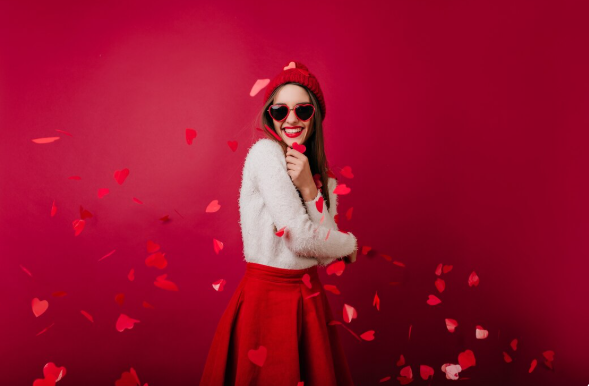
Choosing the perfect Valentine’s Day dress is a fun way to create a romantic and stylish outfit for one of the most anticipated occasions of the year. Whether you are planning a dinner date, a party, a night out with friends, a romantic evening, or a relaxed celebration, the right dress can make the occasion feel even more special. Valentine’s Day fashion is traditionally associated with romantic colors such as red, pink, burgundy, and soft neutrals. However, modern styling gives you much more freedom. You can choose a classic red dress, a soft blush-pink maxi, a black lace dress, a satin slip dress, or even a bold color if you want something less traditional. Current fashion trends also support this flexibility. Red continues to be an important fashion color, while blush pink has been highlighted as a major 2026 shade. Romantic lace, draping, feminine silhouettes, and bold colors are also appearing across current collections. Contents Overview What Is a Valentine’s Day Dress? A Valentine’s Day dress is an outfit selected specifically for celebrating Valentine’s Day or creating a romantic occasion-inspired look. There is no single style that defines a Valentine’s Day dress. The ideal choice depends on your personality, the event, weather, dress code, and preferred level of glamour. Popular options include: Dress Style Best Occasion Red mini dress Party or night out Satin midi dress Dinner date Pink maxi dress Romantic evening Black lace dress Elegant dinner Burgundy bodycon dress Evening event Floral midi dress Daytime date Slip dress Dinner or party Velvet dress Winter celebration Wrap dress Casual dinner Off-shoulder dress Romantic evening The best Valentine’s Day dress is one that makes you feel comfortable and confident while fitting the occasion. Best Valentine’s Day Dress Colors Color is one of the easiest ways to create a Valentine’s Day-inspired outfit. Red Red is the classic Valentine’s Day color. It creates a bold, confident, and romantic appearance. A red dress can range from a simple casual style to an elegant floor-length gown. Current fashion coverage continues to emphasize red as a powerful and versatile dress color, with red appearing across runway and occasionwear looks in 2026. Pink Pink offers a softer alternative to red. Popular options include: Blush pink has received particular attention in 2026 fashion, with designers using it in sophisticated everyday and evening silhouettes rather than limiting it to traditionally feminine outfits. Black Black is ideal if you want a Valentine’s Day look that feels sophisticated rather than traditionally romantic. A black lace dress, satin slip dress, or fitted midi can create an elegant evening outfit. Burgundy Burgundy offers a deeper alternative to bright red. It works especially well for winter Valentine’s Day celebrations and evening events. White and Cream White and cream can create a soft, minimalist appearance. These shades work particularly well with romantic fabrics such as lace, satin, chiffon, and flowing materials. Popular Valentine’s Day Dress Styles There are many different silhouettes to choose from depending on your personal style. Satin Dress Satin is an excellent choice for a romantic dinner because its smooth finish gives the outfit an elegant appearance. A red, burgundy, blush, or black satin dress can easily be styled for an evening celebration. Lace Dress Lace naturally complements a romantic occasion. A lace midi or maxi dress can create a feminine appearance without requiring many accessories. Lace remains an important fashion direction in 2026, appearing in romantic and eveningwear collections. Slip Dress A slip dress has a simple silhouette that can be styled in several ways. For Valentine’s Day, pair it with: Bodycon Dress A bodycon Valentine’s Day dress creates a more fitted silhouette. Red, burgundy, black, and deep pink are particularly suitable for this style. Wrap Dress A wrap dress is comfortable, versatile, and suitable for both casual and semi-formal Valentine’s Day plans. It can also transition easily from daytime activities to an evening dinner. Off-Shoulder Dress An off-shoulder design creates a romantic appearance without needing elaborate embellishments. It works particularly well for dinner dates and evening celebrations. Red Valentine’s Day Dress A red Valentine’s Day dress is the most recognizable option for the occasion. There are several ways to wear it depending on the event. For a sophisticated dinner, consider a red satin midi or maxi dress. For a party, a red mini dress can create a more energetic look. For a formal event, a floor-length red gown can make a dramatic statement. Current fashion coverage describes red as a long-standing fashion staple and notes its continued presence in 2026 runway collections. If the dress is already bold, keep the accessories relatively simple. Pink Valentine’s Day Dress A pink Valentine’s Day dress creates a softer romantic aesthetic. Blush pink is especially versatile because it can look sophisticated rather than overly sweet. For a modern look, try: Pink’s 2026 revival includes softer, more wearable shades and romantic silhouettes, making it a particularly useful choice for Valentine’s Day outfits. Black Valentine’s Day Dress A black Valentine’s Day dress is perfect for anyone who prefers timeless fashion. You can add Valentine’s Day character through accessories rather than choosing a traditional red or pink dress. Try: Red shoes, a pink handbag, or subtle heart-shaped jewelry can add a festive detail without changing the entire outfit. Burgundy Valentine’s Day Dress Burgundy is an elegant choice for a winter Valentine’s Day outfit. Its deeper tone can feel sophisticated and luxurious, particularly when paired with velvet, satin, or structured fabrics. Burgundy works well with: Valentine’s Day Mini Dress A mini dress is a great choice for parties, clubs, casual celebrations, and nights out. Popular options include: If the dress is short and fitted, minimal accessories can keep the outfit balanced. For colder weather, pair the dress with tights, boots, and a tailored coat. Valentine’s Day Midi Dress The midi dress is one of the most versatile choices for Valentine’s Day. It works well for: A satin or lace midi dress can look particularly elegant with heels and understated jewelry. Valentine’s Day Maxi Dress A maxi
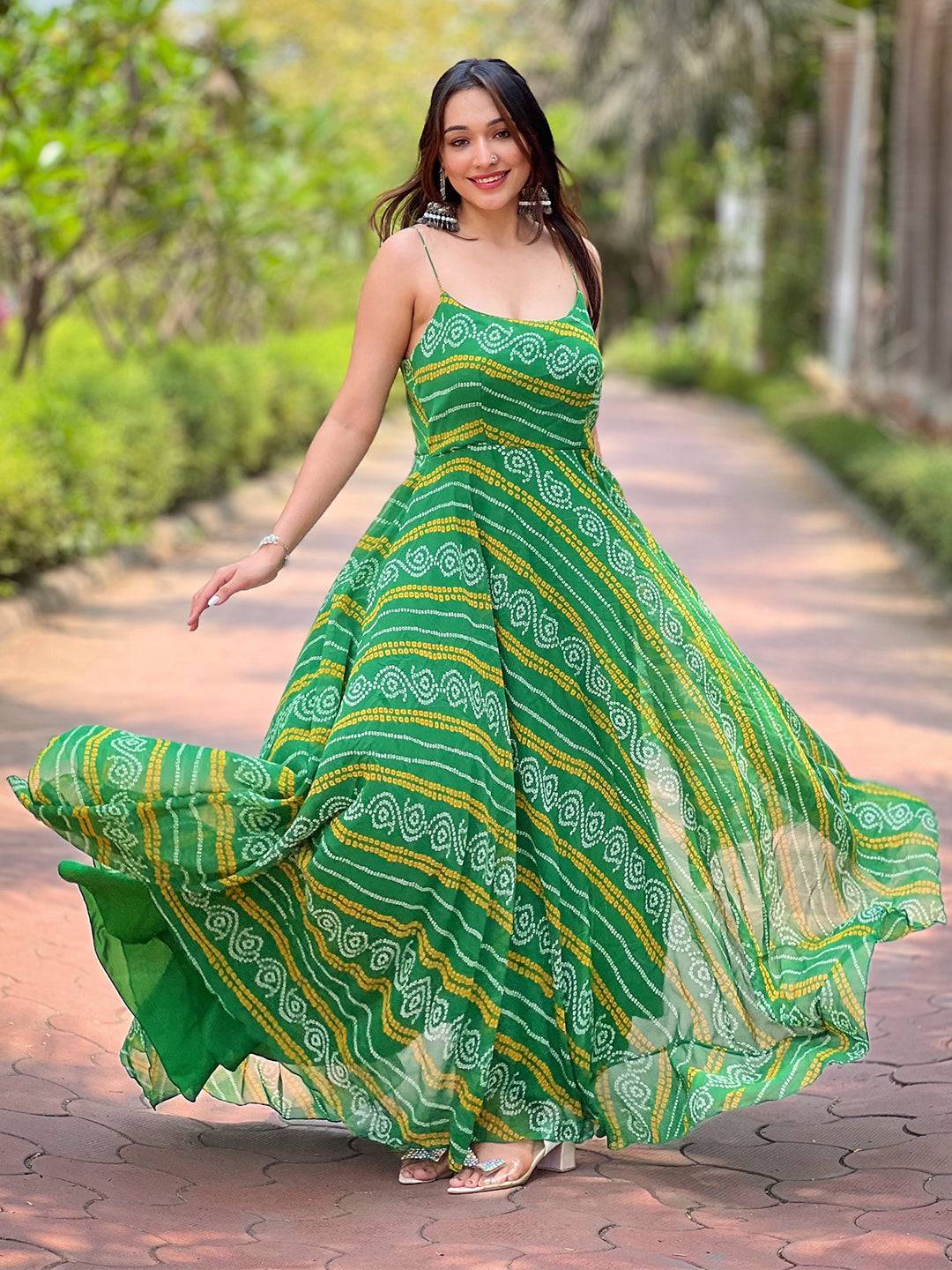
Green Long Dress: Stylish Ideas, Trends, and How to Choose the Perfect One
A green long dress is one of the most versatile pieces a woman can add to her wardrobe. From elegant emerald gowns and satin maxi dresses to casual olive styles and flowing summer dresses, green offers a wide range of shades and designs for different occasions. Long dresses continue to have a strong presence in 2026 fashion, with maxi silhouettes, flowing shapes, draping, crochet, sheer fabrics, and bold colors appearing across current collections and fashion trends. Green adds another dimension to the classic long-dress silhouette. Dark green can create a sophisticated evening look, while sage and olive can feel relaxed and understated. Brighter shades such as lime green can create a more modern and attention-grabbing outfit. Whether you are looking for a dress for a wedding, party, dinner, vacation, date night, formal event, or everyday wear, there is a green long dress style that can work for the occasion. Contents Overview What Is a Green Long Dress? A green long dress is a full-length or maxi-style dress featuring a shade of green. Depending on the design, it can be casual, semi-formal, formal, romantic, minimalist, or glamorous. Green long dresses are available in many fabrics and silhouettes, including: Style Best For Satin maxi dress Weddings and evening events Emerald gown Formal occasions Green slip dress Date nights and parties Floral maxi Summer and daytime events Olive maxi dress Casual outfits Sage green dress Weddings and garden parties Emerald bodycon dress Evening events Green chiffon gown Formal celebrations Crochet maxi dress Vacation and summer Draped green dress Modern evening style The right choice depends on the occasion, season, preferred fit, and personal style. Why Green Long Dresses Are So Popular Green is a particularly versatile fashion color because it ranges from soft and subtle to dramatic and vibrant. Deep emerald green can create a luxurious appearance, while sage green offers a softer aesthetic. Olive works well for casual and earthy outfits, and brighter lime shades can create a contemporary statement. Long dresses also provide an effortless one-piece outfit. Instead of combining multiple garments, you can build an entire look around the dress and then use shoes, jewelry, a handbag, and outerwear to complete it. Current 2026 fashion coverage continues to highlight long and maxi silhouettes, including minimalist, sheer, crochet, draped, and color-drenched designs. Best Green Shades for Long Dresses Choosing the right shade can completely change the appearance of a green long dress. Emerald Green Emerald is one of the most elegant choices for formal dresses. Its rich jewel-tone appearance works particularly well with satin, velvet, chiffon, and other dressier fabrics. Sage Green Sage green is soft and understated. It is especially popular for spring weddings, garden events, daytime celebrations, and romantic outfits. Olive Green Olive creates a relaxed and earthy appearance. An olive long dress can work well for casual events, vacations, outdoor occasions, and everyday styling. Forest Green Forest green has a deep, sophisticated appearance. It can be an excellent choice for autumn and winter events. Lime Green Lime green is much brighter and more playful. Current 2026 fashion coverage has highlighted lime green as a notable color trend, making it an option for those who want a bold statement look. Mint Green Mint offers a light and fresh appearance and can work beautifully for spring and summer outfits. Popular Green Long Dress Styles Different silhouettes create very different looks. Green Satin Maxi Dress A satin green maxi dress is ideal for evening occasions. The smooth finish catches the light and creates an elegant appearance. Emerald or forest green satin can look particularly sophisticated with simple accessories. Green Slip Dress The slip dress has a minimalist silhouette and works well for dinners, date nights, parties, and evening events. For a more casual appearance, pair it with flat sandals and a lightweight layer. Green Floral Maxi Dress A floral green maxi dress is an easy choice for daytime events, vacations, garden parties, and summer outings. Look for small floral patterns for a subtle appearance or large prints for a more dramatic outfit. Green Chiffon Dress Chiffon creates movement and a lightweight appearance. It is particularly useful for weddings, parties, and formal occasions. Green Draped Maxi Dress Draped dresses can create a sophisticated and modern silhouette. Draping is also part of the broader long-dress direction seen in 2026 fashion coverage. Green Crochet Maxi Dress Crochet creates a relaxed, textured appearance that works especially well for vacations and warm-weather outfits. Crochet maxi dresses remain part of the broader 2026 maxi-dress trend landscape. Green Long Dress for Weddings A green long dress can be a beautiful wedding-guest option. For daytime weddings, consider: For evening weddings, consider: Accessories should complement the dress without competing with it. Gold jewelry can work particularly well with rich green shades, while silver or minimalist jewelry can create a cooler, more understated look. Always consider the wedding dress code before selecting the style. Green Long Dress for Parties For parties, a green long dress can be more expressive. Consider: A brighter green can create a fun statement, while emerald green can produce a more glamorous appearance. Keep accessories relatively simple when the dress already contains dramatic details. Green Long Dress for Date Night For date night, the ideal green long dress depends on the setting. A fitted emerald dress can create an elegant evening appearance, while a flowing sage or olive dress can create a relaxed look. For a dinner date, consider pairing the dress with: For a casual outdoor date, flat sandals or boots can make the outfit more comfortable and relaxed. Green Long Dress for Summer Long dresses are especially practical for warm-weather dressing because they provide a complete outfit without requiring multiple layers. Summer-friendly green long dresses often feature: Lighter greens can create a fresh summer aesthetic, while floral prints can add a romantic touch. Current fashion coverage also highlights long dresses as an important warm-weather silhouette, with flowing, bohemian, crochet, and minimalist versions among the notable 2026 trends. Green Long Dress for Formal Events A
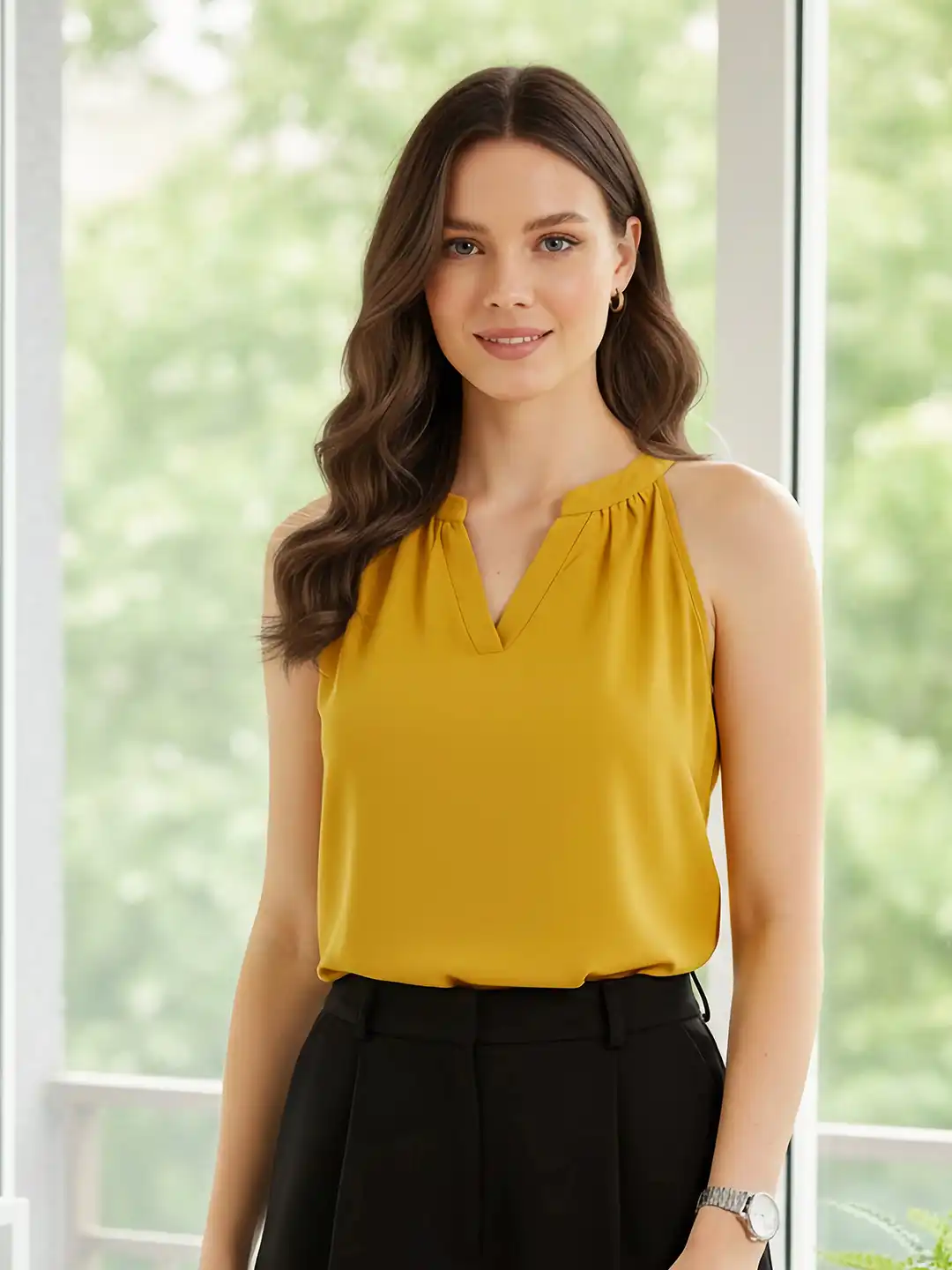
Yellow Tops for Women: Stylish Outfit Ideas, Types, Colors & How to Wear Them
Yellow tops for women are a bright, cheerful, and versatile addition to any wardrobe. From soft pastel yellow blouses to bold mustard shirts and vibrant crop tops, yellow offers many styling possibilities for casual, work, vacation, party, and everyday outfits. The color naturally adds energy to an outfit and can make even a simple combination of jeans and a top look more fashionable. Whether you prefer minimal fashion, feminine outfits, modern streetwear, or elegant clothing, there is a yellow top that can fit your personal style. Yellow can also be combined with many colors, including white, black, blue, beige, brown, green, and denim. The key to wearing yellow successfully is choosing the right shade, silhouette, fabric, and accessories for the occasion. This guide explores different types of yellow tops for women, outfit combinations, seasonal styling ideas, color combinations, accessories, and tips for choosing the perfect yellow top. Why Are Yellow Tops for Women So Popular? Yellow is often associated with sunshine, optimism, freshness, and energy. In fashion, it can make an outfit appear brighter without requiring complicated styling. A yellow top can be worn with simple jeans for a casual look or paired with tailored trousers and accessories for a more polished outfit. The versatility of yellow makes it suitable for different seasons and occasions. Another advantage is the wide variety of yellow shades available. Pale yellow can create a soft and understated appearance, while mustard provides a richer and more sophisticated look. Bright yellow is ideal for making a statement, while butter yellow offers a subtle and contemporary alternative. Popular Types of Yellow Tops for Women There are many different styles of yellow tops, allowing women to choose designs according to their personal preferences and occasions. Yellow Top Style Best For Overall Look Yellow T-Shirt Everyday outfits Casual Yellow Blouse Work and occasions Elegant Yellow Crop Top Summer and parties Trendy Yellow Tank Top Warm weather Relaxed Yellow Shirt Casual and office outfits Polished Yellow Knit Top Cooler weather Cozy Yellow Halter Top Parties and vacations Glamorous Yellow Peplum Top Feminine outfits Stylish Yellow Off-Shoulder Top Dates and parties Feminine Yellow Ribbed Top Everyday fashion Modern The best choice depends on your lifestyle and how you plan to style the top. Yellow Tops for Women With Jeans One of the easiest ways to style yellow tops for women is with denim. Blue jeans create a natural contrast with yellow, resulting in an attractive and effortless outfit. For a casual daytime look, pair a yellow T-shirt with straight-leg blue jeans and white sneakers. A yellow blouse can be combined with dark denim and loafers for a more polished appearance. High-waisted jeans can be paired with cropped yellow tops, while wide-leg jeans work well with fitted yellow tops to create a balanced silhouette. For an everyday outfit, add a crossbody bag and simple jewelry. This combination requires very little effort while still looking fashionable. Yellow Tops for Women With White Pants White and yellow create a fresh and bright combination, making this pairing especially suitable for spring and summer. A soft yellow blouse with white trousers can create an elegant outfit for brunch, lunch, vacations, or casual office environments. For a relaxed look, try a yellow tank top with white wide-leg pants and flat sandals. Gold jewelry complements this combination particularly well. A beige or tan handbag can also add warmth without taking attention away from the yellow top. Yellow Tops for Women With Black Bottoms Black creates a strong contrast with yellow, making it ideal when you want the top to stand out. A bright yellow shirt with black trousers can create a sophisticated outfit, while a yellow crop top with a black skirt can work for a party or evening outing. For casual styling, combine a yellow graphic T-shirt with black jeans and sneakers. Add a black handbag to create a coordinated appearance. Yellow Top Black Bottom Suitable Occasion Yellow blouse Black trousers Work Yellow crop top Black skirt Party Yellow T-shirt Black jeans Casual outing Yellow tank top Black shorts Summer Yellow satin top Black wide-leg pants Dinner Mustard Yellow Tops for Women Mustard yellow is a deeper and more muted version of yellow that works particularly well for sophisticated and seasonal outfits. A mustard top can be paired with blue denim, beige trousers, brown accessories, cream skirts, or black pants. Mustard yellow is especially useful during autumn and winter because it works well with earthy colors. Try a mustard knit top with dark jeans and ankle boots for a comfortable seasonal outfit. For an office-friendly look, choose a structured mustard blouse and pair it with neutral trousers and simple accessories. Pastel Yellow Tops for Women Pastel yellow offers a softer alternative to bright yellow. It can create a delicate and feminine appearance without looking overly bold. A pastel yellow blouse can be worn with white trousers, light blue jeans, beige skirts, or neutral shorts. It is particularly suitable for spring and summer. Pastel yellow also works well with other soft colors. Pair it with pale pink, lavender, baby blue, or cream for a gentle color palette. Yellow Crop Tops for Women Yellow crop tops are a popular choice for modern and youthful outfits. They can be styled with high-waisted jeans, skirts, shorts, or wide-leg trousers. For a casual summer look, wear a yellow crop top with denim shorts and sneakers. For a more fashionable outfit, pair it with high-waisted wide-leg trousers and platform sandals. A yellow crop top can also work for vacations and festivals when paired with statement accessories. Because the crop top is already a statement piece, keeping the rest of the outfit relatively simple can create a balanced appearance. Yellow Tops for Women for Work Yellow does not have to be limited to casual fashion. The right shade and silhouette can work beautifully in professional outfits. For workwear, choose muted shades such as mustard, pale yellow, or warm yellow. A structured blouse or elegant shirt can be paired with black, navy, beige, or
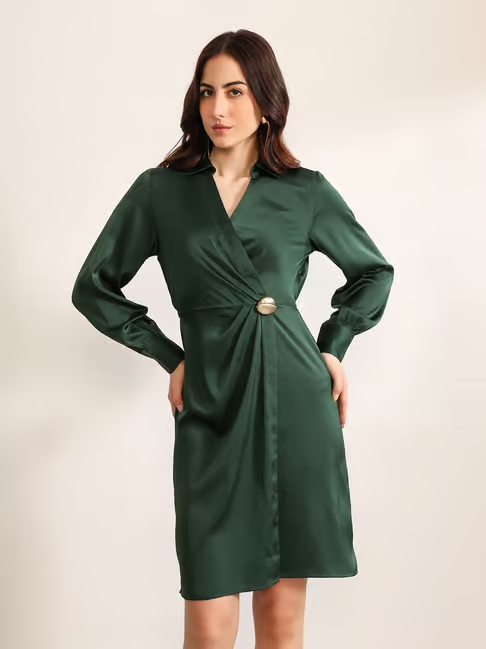
Green Mini Dress: Stylish Outfit Ideas, Trends, Colors & How to Wear Them
A green mini dress is a stylish and versatile fashion choice that can instantly make an outfit look fresh, feminine, and eye-catching. From soft pastel green to rich emerald and vibrant lime, green dresses are available in a wide range of shades and designs, making them suitable for parties, date nights, vacations, dinners, weddings, festivals, and casual outings. The mini dress silhouette is especially popular because it creates a youthful and confident appearance while offering plenty of styling possibilities. Depending on the fabric, neckline, sleeves, and accessories, a green mini dress can look elegant, casual, glamorous, or playful. Whether you are looking for a simple everyday outfit or a statement party look, choosing the right green mini dress can make styling much easier. This guide covers different shades, dress styles, occasions, accessories, footwear, seasonal outfit ideas, and useful tips for creating a fashionable green mini dress look. Why Is a Green Mini Dress So Popular? Green has become an increasingly popular fashion color because it offers more variety than many traditional dress colors. Unlike basic black or white, green can add personality to an outfit while still being surprisingly easy to style. A green mini dress can work for both daytime and evening occasions. Light green shades can create a soft and romantic look, while emerald and dark green shades can provide a sophisticated appearance. Bright green can create a bold fashion statement, particularly for parties and vacations. The mini length also makes the dress suitable for showing off footwear and creating a balanced silhouette. With the right styling, the same dress can be transformed from a casual daytime outfit into an evening look. Popular Green Mini Dress Shades Choosing the right shade of green is one of the most important parts of finding a dress that suits your personal style. Green Shade Style Best Occasion Emerald Green Elegant and luxurious Parties, dinners, weddings Lime Green Bright and bold Vacations, parties Sage Green Soft and sophisticated Brunch, casual outings Mint Green Fresh and feminine Spring and summer Olive Green Casual and earthy Everyday wear Forest Green Rich and sophisticated Evening events Pistachio Green Trendy and soft Daytime occasions Neon Green Fun and statement-making Parties and festivals Emerald green is an excellent option when you want a polished and glamorous appearance. Sage and mint green work well for softer outfits, while lime and neon shades are ideal when you want your dress to become the main focus of your look. Different Styles of Green Mini Dresses Green mini dresses are available in many different silhouettes. The best style depends on the occasion, your preferred fit, and the overall appearance you want to create. A fitted green mini dress creates a sleek and confident appearance. Bodycon designs are particularly popular for parties, date nights, and evening events. A green wrap mini dress creates a more relaxed and feminine silhouette. The adjustable waist makes this style versatile and comfortable while adding visual interest to the outfit. A green satin mini dress is ideal for evening occasions. The smooth fabric catches the light and gives the outfit a luxurious appearance. A green floral mini dress is perfect for daytime events, holidays, garden parties, and summer outings. Floral prints can make the outfit look softer and more romantic. A green off-shoulder mini dress can create an elegant party look, while a one-shoulder design adds a modern fashion-forward touch. Green Mini Dress for Casual Outfits A green mini dress does not have to be reserved for special occasions. With simple accessories, it can become an easy everyday outfit. For a casual look, choose a cotton, jersey, ribbed, or lightweight green mini dress. Pair it with white sneakers, a small shoulder bag, and minimal jewelry. You can also layer a denim jacket over the dress for a relaxed outfit. During cooler weather, a cardigan, oversized jacket, or lightweight sweater can make the look more practical. Casual Styling Item Recommended Choice Shoes White sneakers or flat sandals Bag Crossbody or shoulder bag Jewelry Small hoops or simple necklace Outerwear Denim jacket or cardigan Sunglasses Minimal or oversized frames This combination works particularly well for shopping, coffee dates, vacations, casual lunches, and weekend outings. Green Mini Dress for a Party A green mini dress can be an excellent party outfit because the color naturally attracts attention. For an evening party, emerald, dark green, satin, velvet, sequined, or metallic designs can create a glamorous appearance. Pair the dress with heeled sandals or pointed-toe heels. Add a small clutch and statement earrings if you want a more sophisticated look. For a bold party outfit, choose a bright lime or vibrant green mini dress. Keep the accessories relatively simple so the dress remains the centerpiece. Green Mini Dress for Date Night A green mini dress can create a romantic and stylish date-night outfit without looking overly complicated. A fitted emerald green, satin, or ruched mini dress works particularly well for an evening dinner. Add delicate jewelry, a small handbag, and elegant heels. For a more relaxed date, choose a soft sage or mint green dress with sandals or low heels. This creates a feminine look while keeping the outfit comfortable. Green Mini Dress for Summer Summer is one of the best seasons to wear a green mini dress. Lightweight fabrics and brighter shades of green naturally complement warm-weather styling. A cotton or linen green mini dress can be paired with sandals, sunglasses, and a woven handbag. For vacations, brighter shades such as lime, apple green, or vibrant green can create a fun and energetic look. For a softer summer outfit, choose pastel green or mint green. These shades work beautifully with white, cream, beige, and natural accessories. Green Mini Dress for Winter You can also wear a green mini dress during colder months by adding appropriate layers. Pair a short green dress with tights, ankle boots, and a long coat. Darker shades such as forest green, bottle green, and emerald can create a sophisticated winter appearance. A leather jacket can give
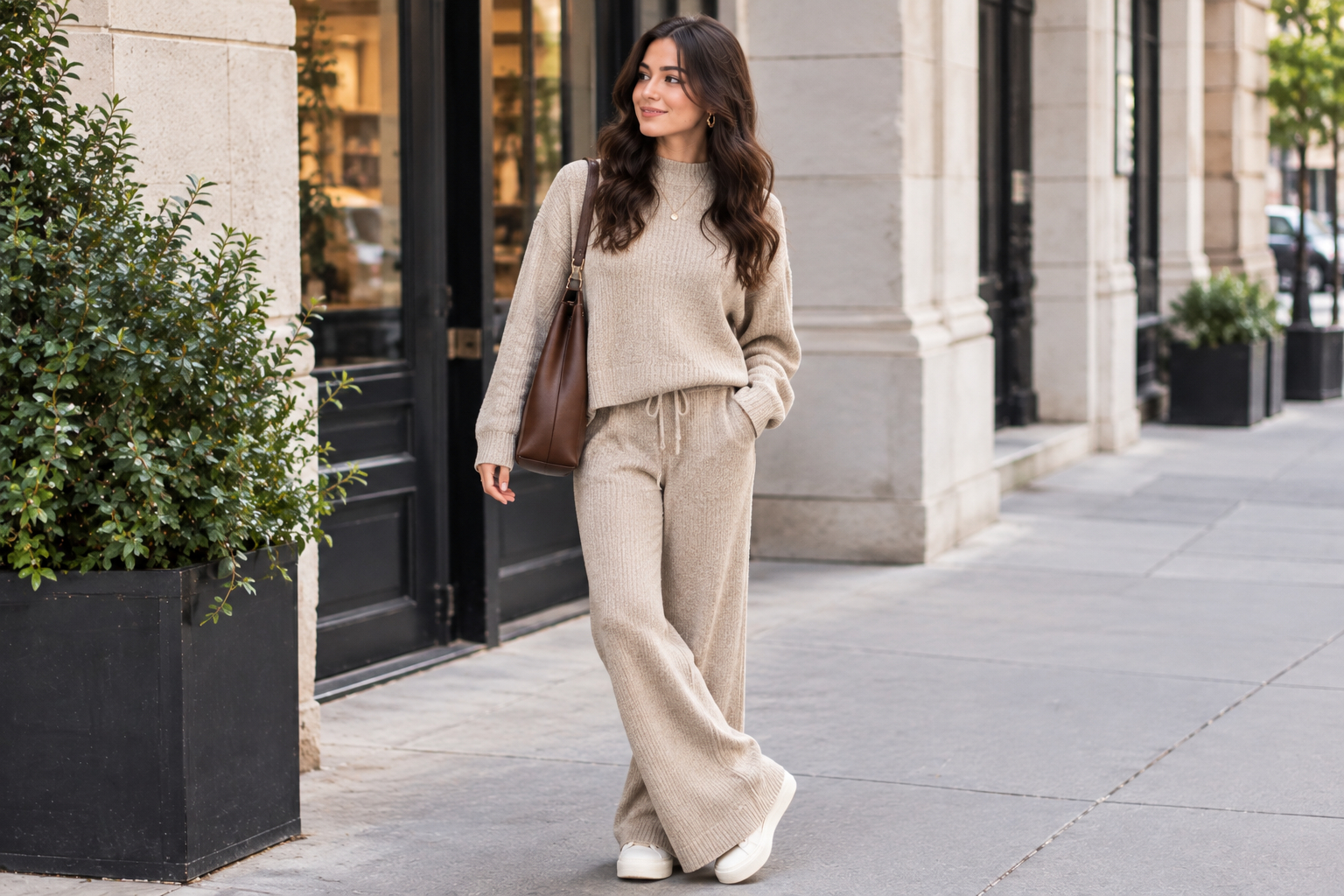
Knit Set Womens: Stylish, Cozy and Versatile Outfit Ideas
A knit set womens outfit is one of the easiest ways to create a stylish and coordinated look without spending a lot of time deciding what to wear. A matching knit top and bottom can provide the comfort of loungewear while looking polished enough for errands, travel, brunch, casual workdays, coffee dates, and everyday outings. Knit matching sets have become increasingly popular because they combine comfort with an intentional, put-together appearance. Current 2026 fashion coverage highlights matching knit sets as an easy fall and winter outfit formula, while knitwear trends continue to emphasize textured, oversized, colorful, and versatile designs. From ribbed two-piece sets and cable-knit outfits to sweater-and-skirt combinations and wide-leg knit trousers, there are many ways to wear a women’s knit set. The best part is that the two pieces can also be separated and styled with other clothing in your wardrobe. What Is a Women’s Knit Set? A women’s knit set is generally a coordinated outfit made from knitted or sweater-style fabric. It usually contains two matching pieces, such as a knit sweater and trousers, a cardigan and skirt, or a fitted top and matching pants. Some sets are made from exactly the same fabric and color, while others use complementary textures or shades. The matching design creates a complete outfit with very little styling effort. You can simply add shoes, a handbag, and accessories and have a finished look. Knit sets are especially useful during transitional weather and colder months because they provide warmth while maintaining a fashionable appearance. Why Knit Sets Are So Popular One of the biggest advantages of a knit set womens outfit is convenience. You do not have to spend time figuring out which top works with which trousers or skirt. The matching pieces already create a cohesive look. Another advantage is versatility. You can wear the complete set together or separate the pieces to create different outfits. For example, matching knit trousers can be worn with a white shirt, while the knit sweater can be paired with jeans. This makes a good knit set more useful than a single-purpose outfit. Popular Types of Knit Sets for Women Women’s knit sets come in many silhouettes and fabrics. The right option depends on your style, weather, and occasion. Knit Set Style Best For Overall Look Sweater + Wide-Leg Pants Travel and casual outings Relaxed Fitted Top + Knit Skirt Brunch and dates Feminine Cardigan + Knit Pants Everyday wear Cozy Cable-Knit Set Cold weather Warm and textured Ribbed Knit Set Casual and polished outfits Sleek Cropped Top + Pants Modern styling Trendy Sweater + Midi Skirt Dinner and outings Elegant Turtleneck + Trousers Winter dressing Sophisticated Knit Vest + Skirt Transitional weather Fashionable Oversized Sweater + Pants Lounging and travel Relaxed Ribbed Knit Sets Ribbed knit sets are among the most versatile options because the vertical texture can create a streamlined appearance. A ribbed sweater paired with matching trousers can look casual with sneakers or more polished with ankle boots. A ribbed knit skirt set can also work beautifully for dinner, brunch, or casual evening plans. Neutral colors such as black, cream, gray, beige, and brown make ribbed sets especially easy to style. Cable Knit Sets Cable knit sets are ideal for colder weather because their textured construction creates a cozy appearance. A chunky cable-knit sweater paired with matching trousers can be worn with boots and a long coat for a winter outfit. Cable-knit skirts can also be paired with fitted sweaters and knee-high boots. Because cable knit already provides visual texture, keep accessories relatively simple. Knit Top and Wide-Leg Pants Set A knit top with wide-leg pants is an excellent choice if you want comfort without sacrificing style. The wider trouser silhouette creates a relaxed appearance, while a fitted or cropped top can help maintain balance. For a casual look, pair the set with sneakers. For a more polished appearance, add pointed-toe boots, a structured handbag, and simple jewelry. This style is particularly useful for travel because it can be comfortable during long journeys while still looking put together. Knit Skirt Sets A matching knit top and skirt is an excellent alternative to a dress. A fitted knit sweater paired with a midi skirt can create a sophisticated outfit for brunch, dinner, or a casual office setting. For colder weather, add tights and knee-high boots. For warmer transitional weather, wear the set with loafers, ballet flats, or ankle boots. A knit skirt set also gives you more styling options because the top and skirt can be worn separately. Knit Sweater and Trousers Sets This is one of the most practical styles of knit set womens clothing. A matching sweater and trouser set can work for lounging at home, running errands, traveling, shopping, or meeting friends. Choose a fitted set if you prefer a more polished appearance or an oversized set for a relaxed look. Wide-leg trousers can create a more contemporary silhouette, while straight-leg knit pants provide a classic appearance. Best Colors for Women’s Knit Sets Neutral colors are particularly popular because they are easy to style and can be worn repeatedly. Black, cream, beige, gray, brown, and navy can become wardrobe staples. If you prefer more color, burgundy, forest green, soft blue, chocolate brown, and muted pink can add personality. Current knitwear trends also include stronger colors and more expressive textures, so a colorful set can be a good option if you want your knitwear to make a statement. Color Style Effect Best Season Black Sleek and sophisticated All year Cream Soft and elegant Fall/Winter Beige Minimal and refined All year Gray Modern and versatile Winter Chocolate Brown Warm and luxurious Fall/Winter Burgundy Rich and stylish Fall/Winter Forest Green Sophisticated Fall/Winter Soft Blue Fresh and relaxed Spring Pink Feminine Spring Navy Classic All year How to Style a Knit Set for Everyday Wear For an everyday outfit, keep the styling simple. Wear a neutral knit set with white sneakers and a crossbody bag. Add sunglasses for a polished daytime appearance. If
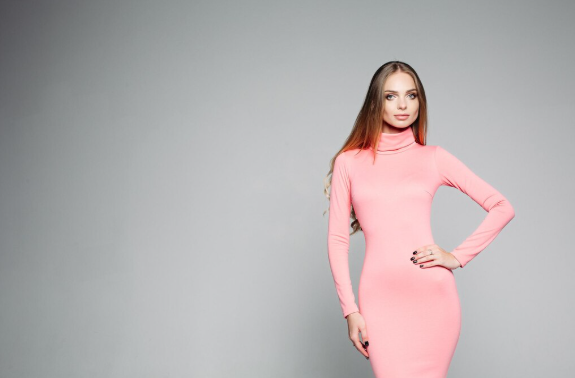
Sleeve Dress Pink: A Complete Guide to Choosing and Styling Pink Dresses With Sleeves
Fashion trends continue to move toward soft colors, romantic silhouettes, and wearable elegance, making sleeve dress pink a versatile choice for many occasions. From delicate blush tones to vibrant fuchsia, pink can create everything from a relaxed daytime outfit to a sophisticated evening look. Adding sleeves makes the dress even more practical, offering coverage while introducing beautiful details such as puffed shoulders, flowing bishop sleeves, fitted cuffs, or classic long sleeves. In 2026, blush pink has become particularly popular because it offers a more sophisticated alternative to overly bright versions of the color. Fashion coverage has highlighted the shade across contemporary collections, with designers using it in both romantic and minimalist silhouettes. Whether you are shopping for a wedding guest outfit, a date-night look, office clothing, or an everyday dress, understanding colors, fabrics, silhouettes, and sleeve designs can help you choose an option that feels both fashionable and comfortable. Why Pink Dresses With Sleeves Remain Popular Pink has traditionally been associated with femininity, romance, and softness, but modern styling has expanded its possibilities. Today, pink can look sophisticated, dramatic, playful, or minimalist depending on the shade and design. Sleeves also provide additional styling opportunities. A simple dress can become much more distinctive when it features statement sleeves, while a structured sleeve can make a soft pink color appear polished and professional. Current fashion trends are also giving sleeves greater attention. Voluminous, sculptural, and puffed sleeves are particularly visible in Fall/Winter 2026 fashion, making sleeve details an important design feature rather than simply a practical addition. Main Benefits Popular Pink Shades to Consider Not every pink creates the same impression. Choosing the right shade can completely change the personality of your outfit. Blush Pink Blush is soft, subtle, and elegant. It works particularly well for weddings, brunches, daytime events, and romantic outfits. The popularity of blush has increased during 2026 because designers are using it in more mature and sophisticated ways rather than relying only on traditionally feminine styling. Dusty Rose Dusty rose has a muted quality that makes it ideal for autumn, winter, and sophisticated evening outfits. It pairs beautifully with beige, cream, brown, and gold accessories. Baby Pink Baby pink gives an outfit a youthful and cheerful appearance. It is particularly suitable for spring and summer styling. Hot Pink Hot pink makes a stronger statement. It works well for parties, celebrations, vacations, and occasions where you want your outfit to attract attention. Mauve Pink Mauve has a slightly deeper and more sophisticated appearance. It is excellent for evening events and cooler seasons. Pink Shade Best For Recommended Accessories Blush Weddings, brunch, dates Gold, nude, cream Baby pink Spring, daytime White, silver, beige Dusty rose Evening, autumn Brown, gold, taupe Hot pink Parties, celebrations Silver, black, metallic Mauve Formal events Gold, burgundy, beige Choosing the Right Sleeve Style The sleeves can completely change the appearance of a dress. Consider the occasion, season, comfort level, and overall silhouette before choosing one. Long Sleeves Long sleeves are ideal for cooler weather and formal settings. They create a refined appearance and can make a short or midi dress feel more sophisticated. Fitted long sleeves work especially well with streamlined dresses, while loose sleeves can create a romantic appearance. Puff Sleeves Puff sleeves add volume around the shoulders and create a playful, feminine silhouette. They are particularly useful when you want the sleeves to become the main feature of the outfit. Puff and sculptural sleeves are especially relevant to current fashion, with 2026 collections emphasizing volume around the shoulder and upper arm. Bishop Sleeves Bishop sleeves are loose through the arm and gathered at the wrist. They provide a romantic appearance without requiring excessive decoration elsewhere. They work especially well with floral prints, midi dresses, and soft pink shades. Flutter Sleeves Flutter sleeves are lightweight and feminine. They are excellent for spring and summer dresses because they provide a little coverage while maintaining an airy appearance. Three-Quarter Sleeves Three-quarter sleeves provide a useful balance between coverage and comfort. They are appropriate for transitional weather and can work well in office environments. Selecting the Right Dress Length Length has a major effect on how formal or casual your outfit appears. Mini Dresses Mini dresses are playful and youthful. They work well for parties, vacations, casual evenings, and summer events. If the dress already has dramatic sleeves, keeping the rest of the design simple can create a balanced appearance. Midi Dresses Midi dresses are among the most versatile choices. They can work for office settings, weddings, brunches, dinners, and casual outings. A blush midi with fitted sleeves and neutral heels can create a sophisticated outfit without appearing overly formal. Maxi Dresses Maxi dresses create a dramatic and elegant appearance. They are particularly useful for weddings, formal dinners, evening events, and vacations. A flowing maxi paired with delicate jewelry can create a romantic look without requiring excessive accessories. Best Fabrics for Pink Dresses Fabric affects how a color looks and how comfortable the dress feels. Fabric Appearance Best Occasion Cotton Fresh and casual Everyday wear Linen Relaxed and breathable Summer Chiffon Light and flowing Weddings Satin Smooth and glamorous Evening Velvet Rich and luxurious Winter Knit Comfortable and practical Casual wear Silk Elegant and refined Formal events Satin Satin reflects light and gives pink shades a luxurious appearance. It works particularly well for cocktail parties, weddings, dinners, and date nights. Chiffon Chiffon is lightweight and flowing, making it excellent for warm-weather events and romantic dresses. Cotton Cotton is practical for everyday wear. A cotton pink dress can easily be dressed up with accessories or kept casual with sneakers. Velvet Velvet is ideal for colder months. Deep rose, dusty pink, and mauve velvet can create an elegant winter outfit. How to Style a Pink Dress Casually A pink dress does not have to look overly formal. The right accessories can make it perfect for everyday activities. Try pairing a simple midi dress with: This combination keeps the outfit relaxed while allowing the dress to remain the focal
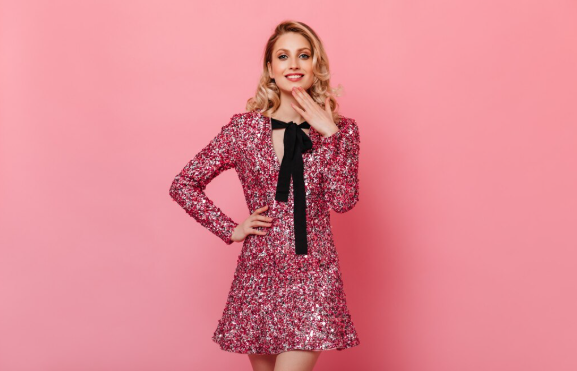
Pink Long Sleeve Dress: Styles, Fabrics, and Outfit Ideas for Every Occasion
A pink long sleeve dress combines feminine color with practical coverage, making it a versatile choice for everything from casual outings and office days to weddings, dinners, and seasonal celebrations. Pink has also moved beyond its traditionally youthful image, with modern fashion embracing blush, dusty rose, mauve, hot pink, and other sophisticated shades. Current fashion coverage continues to highlight softer pink tones as an important contemporary color, while long-sleeved silhouettes remain useful across seasons. The right dress can create an elegant outfit with very little effort. Choosing the appropriate shade, silhouette, fabric, and accessories allows the same general style to work for different occasions and personal aesthetics. Why Long-Sleeved Pink Dresses Remain Popular Long sleeves offer both style and practicality. They provide additional coverage while creating a polished silhouette that can work throughout much of the year. Long-sleeved dresses are available in many designs, including: Their versatility makes them useful for casual wardrobes as well as formal occasions. A Feminine but Modern Color Pink is no longer limited to overly sweet or youthful outfits. Fashion designers have increasingly used softer pink shades in sophisticated silhouettes, tailoring, eveningwear, and everyday pieces. Blush pink in particular has been highlighted by fashion publications as a refined and versatile color that can work with neutrals, darker shades, and other pastels. Popular Shades to Consider The shade of pink can dramatically change the personality of an outfit. Pink Shade Overall Look Best For Blush Soft and sophisticated Weddings, brunch, daytime Dusty rose Romantic and mature Dinner, office, events Baby pink Fresh and feminine Casual and spring outfits Mauve Refined and understated Evening and formal occasions Rose pink Classic and elegant Date nights and parties Hot pink Bold and energetic Parties and statement outfits Fuchsia Dramatic and vibrant Evening events Berry pink Rich and sophisticated Fall and winter outfits The best shade ultimately depends on personal preference, complexion, occasion, and the accessories you plan to wear. Choosing the Right Silhouette The shape of a dress affects how formal, casual, or dramatic it looks. A-Line Dresses A-line silhouettes gradually widen toward the hem, creating an easy and flattering shape. They work particularly well for: An A-line design can also provide comfortable movement without looking overly relaxed. Wrap Dresses Wrap dresses create definition around the waist and can provide a polished yet effortless appearance. They are especially useful for: A wrap-style design can also make it easy to adjust the fit. Midi Dresses Midi dresses fall around the calf and offer a balance between elegance and practicality. A soft pink midi with long sleeves can work beautifully with heels for a dressier occasion or ankle boots for a more casual outfit. Maxi Dresses Maxi silhouettes provide greater coverage and a dramatic appearance. They can be especially effective for: Flowing fabrics such as chiffon and satin can make a long silhouette feel especially elegant. Choosing the Right Fabric Fabric can completely change the character of a dress. Satin Satin creates a smooth, polished appearance and works particularly well for eveningwear. A satin design can be paired with minimal jewelry and elegant heels for a sophisticated outfit. Chiffon Chiffon is lightweight and flowing, making it suitable for romantic dresses and special occasions. It can also work well for layered skirts and sleeves that add movement. Velvet Velvet has a rich texture that makes it particularly suitable for cooler months. Deep pink, rose, and berry shades can look especially luxurious in velvet. Knit Knit dresses provide warmth and comfort while maintaining a feminine silhouette. They are useful for everyday fall and winter outfits and can be paired with boots and structured outerwear. Lace Lace adds texture and romance. A lace design can work well for weddings, engagement celebrations, formal dinners, and other occasions where a delicate appearance is appropriate. Styling Ideas for Different Occasions One of the biggest advantages of this style is its flexibility. Casual Daytime Outfit For a relaxed daytime appearance, choose a simple midi or shirt silhouette. Pair it with: This combination keeps the outfit comfortable while maintaining a polished appearance. Office Outfit For professional settings, choose a more structured design in a muted shade such as blush, dusty rose, or mauve. Pair it with: Avoid overly dramatic embellishments when the workplace requires conservative clothing. Wedding Guest Outfit A romantic pink dress can be an excellent wedding guest option when the shade and design are appropriate for the event. Consider: Always consider the wedding’s dress code before selecting the final outfit. Date Night For a romantic evening, a fitted midi, wrap dress, or satin silhouette can create an attractive balance between elegance and femininity. Gold jewelry works particularly well with many warm pink shades, while silver can complement cooler pink tones. Formal Evening For formal events, consider a floor-length design or sophisticated midi with elevated fabric. Long sleeves can add elegance while providing additional coverage. Pair the dress with: How to Style Pink for Different Seasons Long sleeves make this color particularly easy to transition between seasons. Spring Spring is ideal for lighter shades and breathable materials. Try: White or beige shoes can create a fresh seasonal appearance. Summer Long sleeves can still work during warmer weather when the fabric is lightweight and breathable. Linen blends, cotton, lightweight chiffon, and other airy fabrics can make the silhouette more comfortable. Pair the outfit with sandals, a lightweight handbag, and understated jewelry. Fall Fall provides an opportunity to introduce richer pink shades. Try combining the dress with: Mauve, dusty rose, and berry shades can work particularly well during this season. Winter For colder weather, choose heavier materials such as velvet, wool blends, or thicker knits. Add: Long-sleeved dresses can become practical winter wardrobe pieces when layered correctly. Choosing Shoes The right shoes can change the entire appearance of the outfit. Shoe Style Best Outfit Effect Nude heels Elegant and understated White sneakers Casual and modern Beige sandals Light and feminine Metallic heels Glamorous Black boots Edgy and sophisticated Knee-high boots Seasonal and polished Silver heels Cool and formal Gold
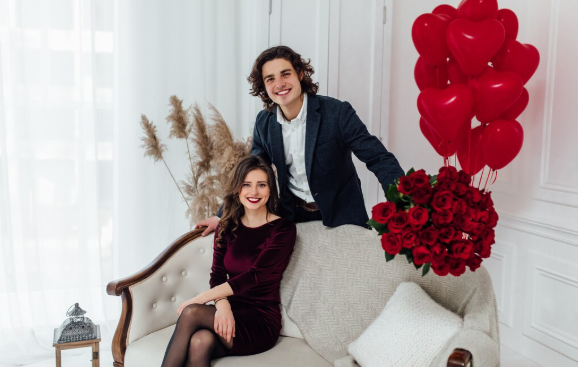
Valentine’s Day Outfit Ideas for Women for Every Occasion
Valentine’s Day is a perfect opportunity to dress with a little extra personality, whether you are planning a romantic dinner, meeting friends, enjoying a casual outing, or celebrating at home. The right valentine’s day outfits ideas for women can balance comfort, confidence, and seasonal style without requiring an entirely new wardrobe. From elegant dresses and polished separates to cozy knitwear and statement accessories, there are plenty of ways to create a memorable look for February 14. The key is choosing an outfit that suits your plans, personal style, and the setting. How to Choose the Right Valentine’s Day Look The best outfit begins with the occasion. A formal restaurant dinner calls for a different approach than a daytime coffee date or a relaxed movie night. Before choosing individual pieces, consider the location, weather, dress code, and amount of walking or activity involved. Think about these factors: A useful strategy is to select one focal piece and build the rest of the outfit around it. For example, a satin skirt can become the centerpiece, while a simple top, understated jewelry, and neutral shoes complete the look. Classic Dresses for a Romantic Occasion Dresses remain one of the easiest choices for Valentine’s Day because a single garment can create a coordinated appearance with minimal effort. Little Black Dress A little black dress offers a timeless alternative to traditional romantic colors. Choose a fitted midi style for a sophisticated dinner or a relaxed silhouette for a more casual event. Add delicate earrings, a small handbag, and heels for an elegant evening appearance. If you prefer something more comfortable, ankle boots or polished flats can work just as well. Romantic Red Dress Red naturally creates a festive appearance without requiring many accessories. A red midi dress can work particularly well for dinner, while a shorter style may suit a party or evening event. If the dress is already bold, keep the accessories simple. Neutral shoes and understated jewelry allow the color to remain the center of attention. Soft Pink Dress Pink provides a softer interpretation of the holiday. Blush, dusty rose, mauve, and deeper berry-inspired shades can all create a romantic appearance. A flowing midi dress paired with simple sandals or pumps works well for daytime celebrations, brunches, and afternoon dates. Stylish Separates for a Modern Look Not everyone enjoys wearing dresses. Separates can offer just as much elegance while giving you more flexibility. Satin Skirt and Fitted Top A satin midi skirt paired with a fitted sweater or elegant blouse creates a combination that feels feminine without looking overly formal. Neutral shades such as cream, black, champagne, or chocolate brown can balance a brighter skirt. For colder weather, add a structured coat and ankle boots. Tailored Trousers and Statement Blouse Wide-leg trousers with a sophisticated blouse are ideal for women who prefer polished outfits without dresses. Look for details such as puff sleeves, subtle draping, satin fabric, or tasteful embellishments. A tailored blazer can make the outfit more structured, while delicate jewelry adds a softer touch. Jeans With a Dressy Top For a casual date, well-fitting jeans can be surprisingly versatile. Pair them with a silky blouse, fitted cardigan, or elegant off-the-shoulder top. Finish with heeled boots, loafers, or ballet flats depending on your plans. This combination is especially useful when you want to look dressed up without feeling overdressed. Outfit Ideas by Valentine’s Day Occasion Different celebrations call for different levels of formality. The following guide can help you narrow down your choices. Occasion Outfit Idea Footwear Accessories Romantic dinner Midi dress or satin skirt Heels or ankle boots Small handbag and earrings Casual coffee date Jeans and fitted knit top Flats or boots Crossbody bag Brunch Floral midi dress Loafers or low heels Simple jewelry Evening party Statement dress or tailored separates Heels Clutch and bold earrings Movie night Sweater and trousers or jeans Sneakers or flats Minimal jewelry At-home celebration Matching knit set or comfortable dress Slippers or socks Simple accessories The goal is not to follow a strict fashion formula. Instead, use the occasion as a starting point and adjust the outfit according to your preferences. Cozy Valentine’s Day Outfits for Cold Weather Valentine’s Day occurs during winter in many parts of the world, which makes layering especially useful. A stylish outfit does not have to sacrifice warmth. Sweater Dress and Boots A sweater dress creates a comfortable yet polished silhouette. Choose a midi length if you want additional coverage, then add tall boots and a long coat. A belt can define the waist if the dress has a loose shape. For accessories, consider a scarf, structured handbag, and small hoop earrings. Turtleneck and Midi Skirt A fitted turtleneck tucked into a midi skirt provides warmth while maintaining a refined appearance. Add tights and ankle boots when temperatures are low. For a festive touch, select a skirt in burgundy, rose, plum, or another rich seasonal shade. Coat as Part of the Outfit When the weather is especially cold, your outerwear becomes an important part of the overall look. A tailored wool coat, belted coat, or sophisticated trench can make even a simple outfit appear more intentional. Choose a coat that complements your clothing rather than treating it as an afterthought. Casual Looks for Daytime Celebrations Valentine’s Day does not always involve a formal dinner. If your plans include shopping, lunch, sightseeing, or a casual meet-up, comfort should remain a priority. A few reliable combinations include: For a festive detail, add a red handbag, pink scarf, heart-inspired jewelry, or another subtle accent. Elegant Evening Outfit Ideas Evening celebrations offer an opportunity to experiment with texture, silhouette, and accessories. Velvet, satin, lace details, and subtle metallic finishes can add visual interest without making an outfit feel excessive. A sleek jumpsuit can also be an excellent alternative to a traditional dress. Try a Sophisticated Jumpsuit A tailored jumpsuit can create a long, streamlined silhouette while remaining practical. Choose one in black, navy, burgundy, emerald, or another deep shade. Add pointed-toe heels

Valentines Day Outfits for Women: Stylish Ideas for Every Celebration
Valentine’s Day is a perfect opportunity to dress up, experiment with romantic colors, and create a look that reflects your personal style. Whether you are planning a romantic dinner, a casual coffee date, a Galentine’s celebration, a party, or a relaxed evening at home, the right outfit can make the occasion feel more special. When choosing valentines day outfits for women, you do not have to limit yourself to a traditional red dress. Red, pink, burgundy, black, cream, and soft neutrals can all work beautifully. Current Valentine’s fashion inspiration also includes satin, lace, tailored pieces, feminine silhouettes, and comfortable casual combinations. The most important thing is to choose an outfit that suits the occasion while making you feel comfortable and confident. Classic Red Dresses A red dress is one of the most recognizable Valentine’s Day outfit choices. It can be romantic, elegant, playful, or sophisticated depending on the silhouette and accessories. For a formal dinner, consider a red midi or maxi dress with simple heels and delicate jewelry. A fitted red dress can create a polished evening look, while a flowy style works well for a softer appearance. If you want something more casual, choose a red mini dress with ankle boots or simple flats. A denim or leather jacket can make the outfit feel less formal. Red dresses do not necessarily require matching red accessories. Neutral shoes, metallic jewelry, or a black handbag can help balance the strong color. Vogue’s 2026 styling advice similarly emphasizes allowing the red dress to remain the focal point while using restrained accessories and contrasting outerwear. Romantic Pink Outfits Pink is another natural choice for Valentine’s Day. It offers many styling possibilities, from delicate blush tones to vibrant hot pink. A blush-pink midi dress can create a soft and elegant appearance for brunch or an afternoon date. For evening plans, a brighter pink dress can make a more noticeable statement. You can also incorporate pink without wearing a completely pink outfit. Try: A pink top with white or cream trousers is particularly useful for a daytime Valentine’s celebration. For a more dramatic outfit, pair pink with burgundy or red. Burgundy and Wine-Colored Looks If traditional bright red does not suit your personal style, burgundy and wine shades provide a deeper alternative. A burgundy dress can look sophisticated without feeling overly themed. It works particularly well for evening dinners, cocktail events, and winter celebrations. Try a burgundy blazer dress with ankle boots for a structured look. Alternatively, pair a burgundy satin blouse with black trousers for an elegant outfit that can be worn beyond Valentine’s Day. Fashion coverage for Valentine’s Day 2026 has also highlighted deeper wine and merlot shades as alternatives to traditional bright red. Little Black Dress for Valentine’s Day You do not have to wear red or pink to celebrate Valentine’s Day. A little black dress remains a versatile option for dinner dates, parties, and evening events. A simple black dress can become more romantic through accessories and textures. Consider adding: Lace, satin, velvet, or subtle embellishments can also give a black dress a more special-occasion appearance. For a modern contrast, pair a black dress with a colorful handbag or bold shoes instead of relying entirely on traditional Valentine’s colors. Valentine’s Day Outfits With Jeans For a casual date, jeans can be an excellent choice. You can create a polished Valentine’s Day outfit without wearing a dress. Start with dark or medium-wash straight-leg jeans and add a romantic blouse. Satin, lace details, ruffles, or a soft neckline can instantly make the outfit feel more special. Another easy combination is: Straight-leg jeans + satin top + kitten heels + small handbag For a cooler evening, add a tailored blazer or long coat. The jeans-and-dressy-top formula continues to be recommended as a versatile date-night combination because it balances casual and polished elements. Valentine’s Day Skirt Outfits Skirts offer another way to create a feminine Valentine’s Day look without wearing a dress. A satin midi skirt paired with a fitted sweater is a comfortable option for a winter date. You can add heels for an elegant appearance or boots for a more casual look. A mini skirt can be paired with tights, a fitted top, and a structured jacket. If you prefer a softer style, choose a pleated or flowy skirt in pink, cream, burgundy, or red. For a sophisticated evening outfit, consider: The key is to balance proportions. If the skirt is voluminous, a more fitted top can create a streamlined silhouette. Satin Dresses for a Romantic Look Satin is especially suitable for Valentine’s Day because its soft sheen creates an elegant evening appearance. A satin slip dress can work for dinner, cocktails, or a special event. You can wear it with delicate heels and minimal jewelry for a refined look. For colder weather, layer the dress with: Current dress trends also continue to feature luxurious fabrics such as silk jacquard and satin-based materials, along with lace and draped silhouettes. Lace Valentine’s Day Outfits Lace is another classic fabric for romantic dressing. A lace-trimmed dress can create a delicate appearance, while a lace blouse paired with tailored trousers offers a more understated option. If you do not want to wear a complete lace outfit, use lace as a small detail. A lace camisole underneath a blazer, lace sleeves, or a lace-trimmed skirt can add a romantic touch without making the outfit feel overly formal. For an evening date, black lace can look sophisticated. For daytime, white, cream, blush, or pastel lace can create a lighter appearance. Valentine’s Day Jumpsuits A jumpsuit is a practical alternative to a dress. It offers a polished silhouette while allowing more freedom of movement. A black jumpsuit with metallic jewelry can work for a formal dinner. A red or burgundy jumpsuit creates a stronger Valentine’s theme, while a cream or blush version can feel softer. Choose a fitted jumpsuit with heels for a dressier event. For a casual celebration, try a relaxed jumpsuit with flats or ankle boots.
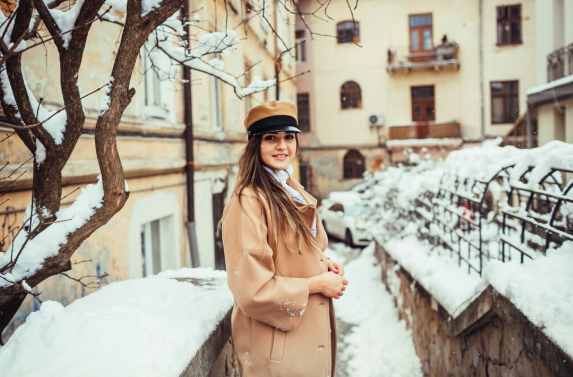
Women of Winter: Stylish, Warm, and Practical Winter Fashion Guide
Women of winter can embrace the colder season without giving up style, comfort, or individuality. Winter fashion offers countless ways to create attractive outfits while staying warm, from cozy sweaters and tailored coats to boots, scarves, fleece layers, and elegant winter dresses. Modern winter wardrobes are increasingly versatile. Women can combine practical outerwear with casual basics, workwear, ethnic clothing, or dressy pieces to create outfits suitable for different temperatures and occasions. Current women’s winter collections include lightweight jackets, tailored coats, puffers, fleece layers, denim jackets, and other styles in a wide range of colors and silhouettes. The key to successful winter dressing is not simply wearing the thickest clothing available. Instead, it is about layering, choosing appropriate fabrics, balancing proportions, and selecting pieces that suit the weather and activity. What Does Women of Winter Mean? The phrase women of winter can refer broadly to women who want to explore fashion, clothing, lifestyle, and outfit ideas for the colder months. It can describe a winter wardrobe built around warmth and personal style. Depending on the climate, winter clothing may include: The right combination depends on temperature, wind, rain, snow, indoor heating, and the activity involved. Why Winter Layering Matters Layering is one of the most useful techniques for winter dressing. Instead of relying on one extremely heavy garment, several lighter layers can provide flexibility. A typical layered outfit might include: Layering also makes it easier to adapt when moving between outdoor and indoor environments. For example, a woman commuting to work may need a warm coat outside but a lighter outfit once she enters a heated office. Essential Winter Clothing for Women A practical winter wardrobe does not need to contain dozens of items. A carefully selected collection of versatile pieces can create many different outfits. 1. Warm Sweaters Sweaters are among the most useful winter wardrobe pieces. Popular choices include: Neutral colors such as black, cream, gray, beige, brown, and navy can be particularly easy to combine with other clothing. 2. Winter Jackets A jacket can provide warmth without the bulk of a very heavy coat. Women’s winter jacket collections currently include lightweight jackets, tailored styles, puffer designs, windbreakers, varsity jackets, denim jackets, and other silhouettes. Choose a jacket based on your climate and intended use. A lightweight jacket may be suitable for cool autumn days, while insulated or padded outerwear is more appropriate for colder conditions. 3. Long Coats Long coats can provide substantial coverage while creating a polished appearance. Common styles include: A neutral long coat can be worn over casual clothing as well as workwear. 4. Fleece Layers Fleece is useful when warmth and comfort are priorities. A fleece jacket or pullover can work as a middle layer under a heavier coat or as an outer layer during milder winter weather. 5. Winter Dresses Winter does not mean dresses need to disappear from your wardrobe. Long-sleeve knitted dresses, sweater dresses, velvet dresses, and heavier midi styles can be paired with: This creates an outfit that can work for casual occasions, office settings, dinners, or seasonal events. Winter Outfit Ideas for Women Casual Winter Outfit For an everyday casual outfit, combine: This combination is practical and easy to adapt. Office Winter Outfit For work, try: The result can look polished while still providing useful warmth. Weekend Winter Outfit A relaxed weekend outfit could include: This works well for errands, casual outings, or travel. Winter Date Outfit For a more polished appearance, consider: Neutral colors can create an elegant look, while a brighter accessory can add contrast. Winter Fashion for Different Climates Not every woman experiences the same type of winter. A person living in a mild climate may only need lightweight layers, while someone living in a snowy region may require insulated coats, thermal clothing, gloves, and waterproof footwear. Mild Winter Mild winter wardrobes can focus on: Cold Winter Colder weather may require: Snowy Winter In snowy conditions, clothing should prioritize warmth and protection. Useful pieces include: The best clothing depends on the actual weather conditions rather than fashion alone. Choosing the Right Winter Fabrics Fabric choice can make a major difference in comfort. Wool Wool is commonly used in winter clothing because it can provide warmth while remaining breathable. It is frequently used for sweaters, coats, scarves, and socks. Cashmere Cashmere is soft and lightweight and can be used for premium sweaters, scarves, and other winter accessories. Fleece Fleece is lightweight and comfortable and is often used for jackets, pullovers, and layering pieces. Cotton Cotton can be comfortable but is not always ideal as the only layer in very cold or wet conditions. Velvet Velvet can provide a rich appearance for winter dresses, ethnic clothing, partywear, and evening outfits. Some Indian winter collections, for example, use velvet and woolen fabrics for seasonal ethnic clothing. Winter Fashion for Indian Women Winter fashion in India can vary significantly by region. Women in colder northern areas may need heavier jackets, woolens, coats, and layered outfits, while women in milder parts of the country may prefer lighter sweaters, shawls, and jackets. Ethnic winter fashion can include: Current Indian winter collections include combinations of traditional silhouettes and contemporary outerwear, including velvet kurta sets, jackets, fleece pieces, and coats. Winter Accessories for Women Accessories are not only decorative. Many can also provide additional warmth. Scarves A scarf can add color and texture while protecting the neck from cold air. Try: Hats and Beanies Beanies are useful for casual winter outfits and can add a relaxed appearance. Gloves Gloves protect the hands and can be especially important in cold climates. Winter Boots Boots can combine warmth, traction, and style. Popular options include: Choose footwear according to the conditions. Waterproof or weather-resistant boots may be more useful in wet or snowy environments. How to Create a Stylish Winter Color Palette Winter wardrobes often rely on neutral colors because they are easy to combine. Common winter shades include: You can create a simple outfit using neutral colors and then add one stronger accent. For example,